
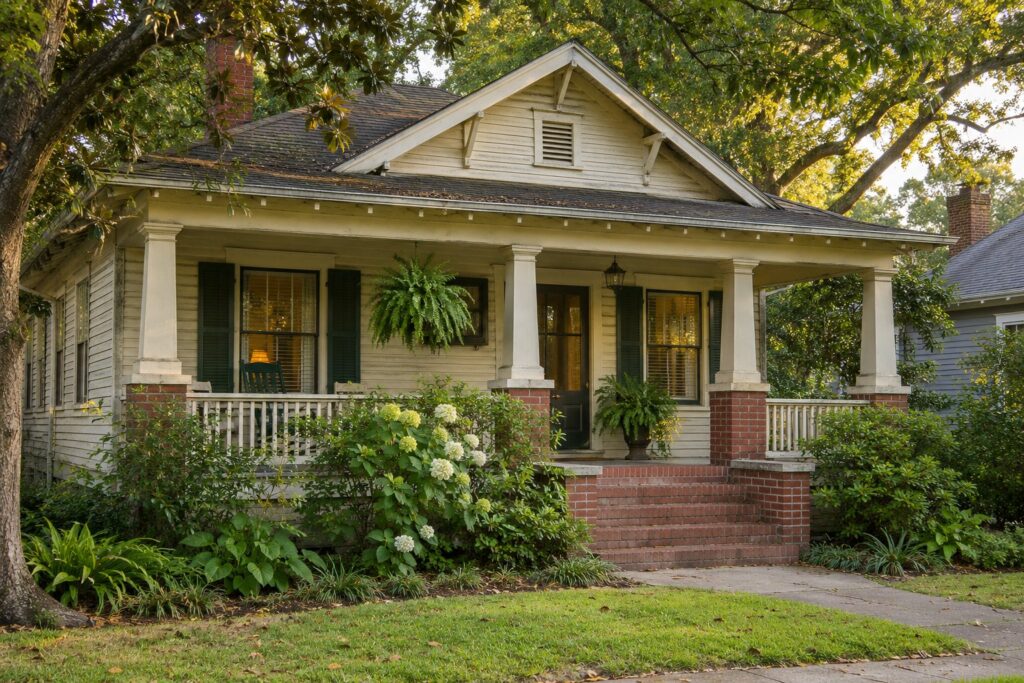
A Tuscaloosa-area sale can look different when the house is empty, owner occupied or leased. A direct buyer can quote a price for each scenario. Your job is to find out which assumptions sit underneath it and compare them with a possible listing.
Give a buyer the full occupancy picture
For a rental, prepare the current lease, rent and deposit ledger, lease end date and known maintenance requests. Tell each buyer about any furnished items and whether you intend for them to remain. Ask how the proposed buyer plans to handle walkthroughs and coordinate access with occupants.
Check records for the property itself
Use the Tuscaloosa County Tax Assessor as a starting point for county property information, then share discrepancies with the closing office. A lot shown separately in your records or a detached building you assumed was included can change what the buyer thinks the offer covers. List any separate parcel numbers explicitly.
Test the offer against two schedules
Ask for a calendar that includes the inspection decision, expected closing and handover of the property. Compare the offer with a later sale if that allows time to finish the move, coordinate with a tenant or address an issue the buyer is discounting heavily. Include the cost of carrying the property during that interval.
Ask what supports the valuation
Request an explanation of the main deductions or assumptions. If the offer is based on apartment-style rental income but the house is best compared with nearby owner-occupied sales, ask how the buyer assessed that difference. For a listing comparison, request local comparable sales from an agent who knows the property type.
Before you decide
- Record occupancy and included items.
- List the parcel or parcels the offer covers.
- Compare your net on two timelines.
Find Alabama buyers to compare in Tuscaloosa.